Multifunctional Equipment
Dough Processing Machine 130-400mm Roller Width
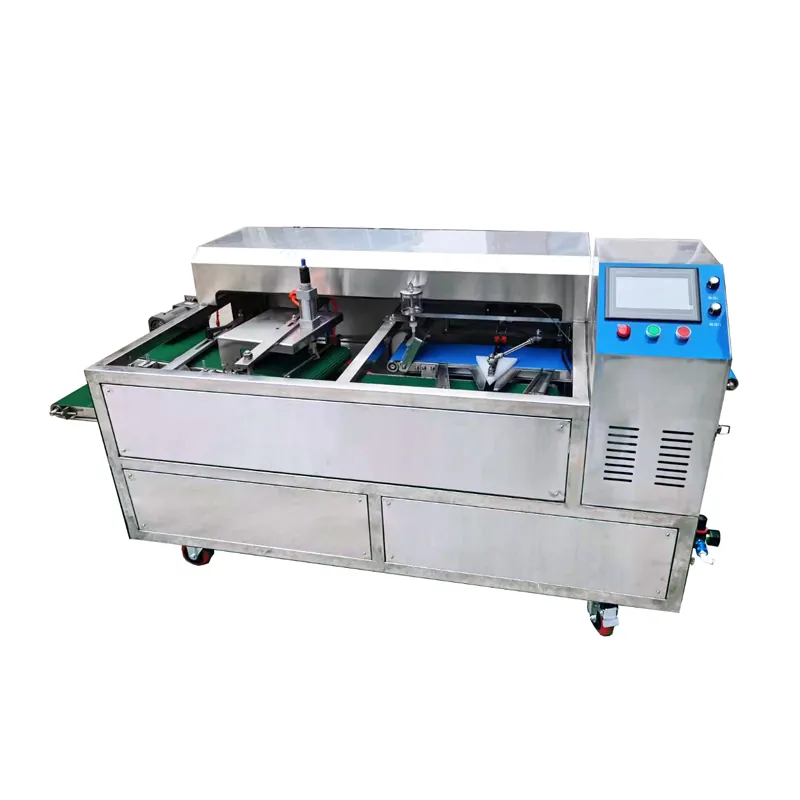
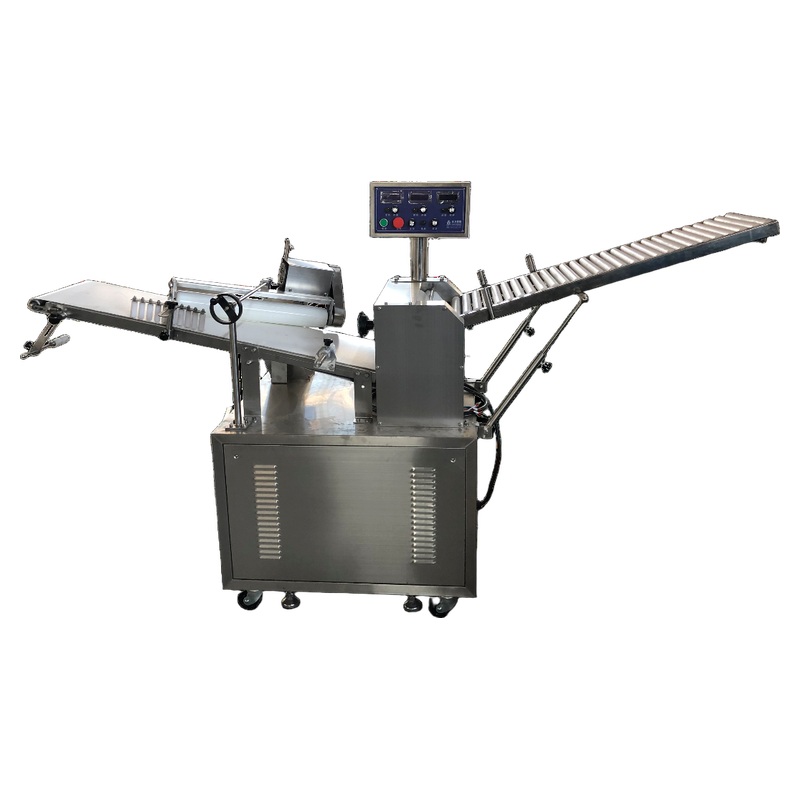
The Dough Processing Machine with 130 to 400 mm roller width rolls the dough band in two stages and separates it into pieces on the same frame. Width is set anywhere between 130 and 400 mm, so a product change is a setting change. Cutting separating runs up to 12000 pcs/h, pleat separating 1000 to 7200.
Product Overview
The Dough Processing Machine with 130–400 mm roller width rolls a dough band in two stages and separates it into pieces in one continuous operation. The working width is set anywhere between 130 mm and 400 mm, so one machine covers a range of product sizes instead of a fixed width that forces a second unit when the product changes.
The frame measures 4500×770×1750 mm and the drive is 2.55 kW on 220V/380V supply. Output depends on the separating mode: 1000–7200 pcs/h in pleat separating and 1000–12000 pcs/h in cutting separating. The machine is built for batch production in canteens, restaurants and small food factories, where one unit has to serve several product sizes through the week.
Key Features
Seven points describe how the unit behaves once it is installed in a line.
- One machine across 130–400 mm — the working width is adjustable through the full range, so a product change is a setting change rather than a machine change.
- Rolling and cutting in one pass — the sheet is rolled and separated on one frame, which removes the transfer between two stations and the handling that goes with it.
- Two-stage rolling — the dough is stretched in two passes rather than one heavy reduction, which keeps the gluten structure intact and preserves the mouthfeel and surface of hand-made work.
- Pleat separating mode — pieces are separated along the pleated form at 1000–7200 pcs/h.
- Cutting separating mode — pieces are separated by cutting at 1000–12000 pcs/h, the higher range because the cut is a single action.
- Synchronised speed control — the rolling and separating stages are adjusted in step, so a speed change does not leave one stage running ahead of the other.
- Stable piece weight — a controlled sheet thickness and a repeatable separation give a small weight error from piece to piece across a batch.
Product Specifications
The table lists the figures confirmed for this unit. Piece size and separating mode determine where in the capacity range the machine runs.
| Machine type | Dough processing machine |
| Roller width | 130–400 mm |
| Overall dimensions | 4500×770×1750 mm |
| Power | 2.55 kW |
| Voltage | 220V/380V |
| Capacity, pleat separating | 1000–7200 pcs/h |
| Capacity, cutting separating | 1000–12000 pcs/h |
| Forming method | Rolling and cutting in one pass |
| Width setting | Adjustable from 130 mm to 400 mm |
| Upstream equipment | Dough mixing equipment |
The 4500 mm length is the figure to check against floor space, because it covers the infeed, the two rolling stages and the separating section in line. Height at 1750 mm matters where the machine sits under a ceiling run or beside a proofer. The two capacity figures belong to the two separating modes, not to one product, and output within each range follows the piece size.
Configurations & Options
Configuration is settled by the product and by how the piece has to be separated.
- Separating mode — pleat separating or cutting separating, chosen by whether the piece keeps a folded form or is cut clean.
- Width setting — anywhere between 130 mm and 400 mm, set to the product rather than to a fixed die.
- Speed setting — matched to the machines either side, with the rolling and separating stages adjusted together.
- Voltage — 220V or 380V, matched to the supply at the installation point.
- Infeed and outfeed position — set to the dough mixing equipment upstream and the next machine downstream.
Where a buyer runs several widths in a week, the range is the main reason to specify this unit rather than a fixed-width machine. Width and mode settings are recorded against the machine, so a returning product is set up again without trial.
Industrial Applications
The unit is aimed at batch production rather than at a single high-volume product.
- Canteens, where several dough products are made on the same line through the week.
- Restaurants and food service kitchens that produce their own dough pieces rather than buying them in.
- Small food factories running a mixed product range on one line.
In each case the width range is what makes the machine useful: a kitchen that makes a narrow product on Monday and a wider one on Wednesday sets the width instead of changing equipment.
Key Advantages
The first advantage is coverage. A 130–400 mm working width means a product change is a setting change, so a kitchen or small factory does not hold a second machine for a second product size.
The second is dough quality. Two-stage rolling stretches the band gradually instead of compressing it in one pass, so the gluten network survives and the piece keeps the texture and surface of hand work. Synchronised speed control supports this, because a speed change moves both stages together.
The third is output. The separating mode sets the capacity, and cutting separating reaches a higher rate than pleat separating because it is a single cutting action.
- 130–400 mm width range on one frame
- Two rolling stages and separation in one pass
- Output up to 12000 pcs/h in cutting separating
- Synchronised speed control across stages
- Small piece-to-piece weight error across a batch
How to Choose the Right Configuration
Five questions settle most of the specification before price is discussed.
- What width does the product run? It has to sit inside 130–400 mm; if it does, one machine covers the whole range.
- Does the piece keep a fold or is it cut clean? That decides pleat or cutting separating, and it also decides which capacity range applies.
- What output does the batch need? Compare the target against 1000–7200 pcs/h in pleat separating and 1000–12000 pcs/h in cutting separating, with output inside each range following the piece size.
- Is there a dough mixer upstream? The unit takes dough from mixing equipment, so the infeed is set to that machine.
- What supply and floor space are available? The 2.55 kW load, the 4500×770×1750 mm footprint and the 220V or 380V supply have to be settled before the panel is built.
Where several products share the machine, list the width and separating mode for each before ordering, and the settings are recorded so each product is set up again without re-establishing the width by trial.
Why Choose Us
We quote the dough processing machine against your product list and batch target, not against a catalogue page. Send the widths you run, the separating mode for each and the output you need, and the quotation states the configuration that fits.
The rolling stages, the separating section and the frame are built in-house, so a change to the width setting or the separating mode is a factory adjustment rather than a third-party request. Spare parts for the roller section and the separating parts are held for machines already in the field.
For export orders the machine is run before packing, and the width and separating settings are checked against the order specification. OEM and ODM requests are handled at the drawing stage, with voltage and line-integration details confirmed before production starts.
Factory Strength
The machine is assembled and tested in our own plant, with the roller stages, the separating section, the frame and the electrical panel built in-house rather than bought in as a finished unit. Each machine is run before packing, and the width setting, the stage gap and the separating alignment are checked against the order specification. Units are exported to bakery and food-machine buyers in overseas markets, and the same assembly team handles both standard machines and configured orders.
Because the width range is wide, the build check includes a run at more than one setting where the order covers several products, which confirms the adjustment travel rather than only the shipped position.
Quality Control
Incoming stainless sheet and bought-in components are checked against the drawing before assembly. In-process checks follow the build: frame weld and square, roller alignment at both stages, separating section fit, then the electrical panel. Every machine gets a run test before packing, and the record is kept against the serial number.
- Incoming material check on stainless sheet and bought-in components
- In-process inspection at frame, roller stages and separating section
- Panel check before the run test
- Run test at the width and mode set on the order
- Test record filed against the machine serial number
The run test checks the sheet across the full set width rather than only at the centre, because a setting that is right in the middle can still leave the edges uneven. Pieces are then checked for weight consistency across the batch.
Packaging & Delivery
The machine is packed for export in a wooden case sized to the 4500×770×1750 mm frame, with the roller stages and the separating section protected inside. Container loading depends on order quantity and is confirmed at quotation. Port and trade terms are agreed per order, and the buyer supplies the delivery address, consignee details and any marking requirements before shipment.
- Export wooden case with internal protection for the roller stages
- Container loading confirmed per order quantity
- Port and trade terms agreed at quotation
- Buyer supplies consignee details and shipping marks
The packing list carries the width and separating mode the machine was set to, so the receiving site can prepare the dough mixer and the next machine before the case is opened.
FAQ
What does a 130–400 mm roller width mean for my product range?
One machine covers every product width between those two figures. A narrow piece runs at the low end and a wide piece at the top, and the change between them is a setting change rather than a machine change.
What is the difference between pleat separating and cutting separating?
Pleat separating divides the pieces along the pleated form and runs at 1000–7200 pcs/h. Cutting separating divides them with a cutting action and runs at 1000–12000 pcs/h. The mode depends on whether the product has to keep a fold.
Why does the machine roll the dough in two stages?
A single heavy reduction compresses the dough and damages the gluten structure. Two stages stretch the band gradually, so the gluten stays intact and the piece keeps the texture and appearance that hand work gives.
Can the machine work with a dough mixer I already have?
The unit takes dough from dough mixing equipment, so the infeed is set to the machine that precedes it. Send the mixer outfeed height when ordering so the interface is fixed at the drawing stage.
What supply and floor space does the machine need?
The drive is 2.55 kW on 220V/380V supply, and the frame measures 4500×770×1750 mm. The length is the figure that decides floor space, since the infeed, both rolling stages and the separating section sit in line.
Products
Related Products
More UIM Equipment
Explore other production lines and machines from the same category.