Multifunctional Equipment
ZL-9-18 / 12-24 Creases Bun Machine
The ZL-9-18 bun machine pleats 1,000-7,200 pcs/h, with crease counts of 9-18 or 12-24 selected on the panel. Sealing is a one-button setting, and the tool head is released for replacement without dismantling the head frame. 1.5 kW, 220V or 380V, 1400 x 858 x 1410 mm, 300 kg, SUS304.
Product Overview
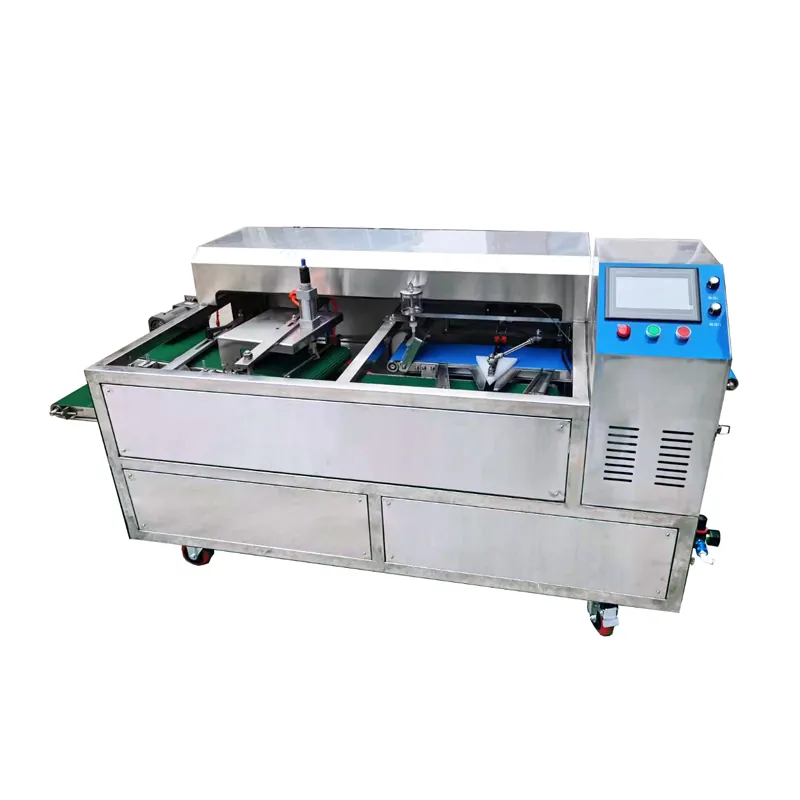
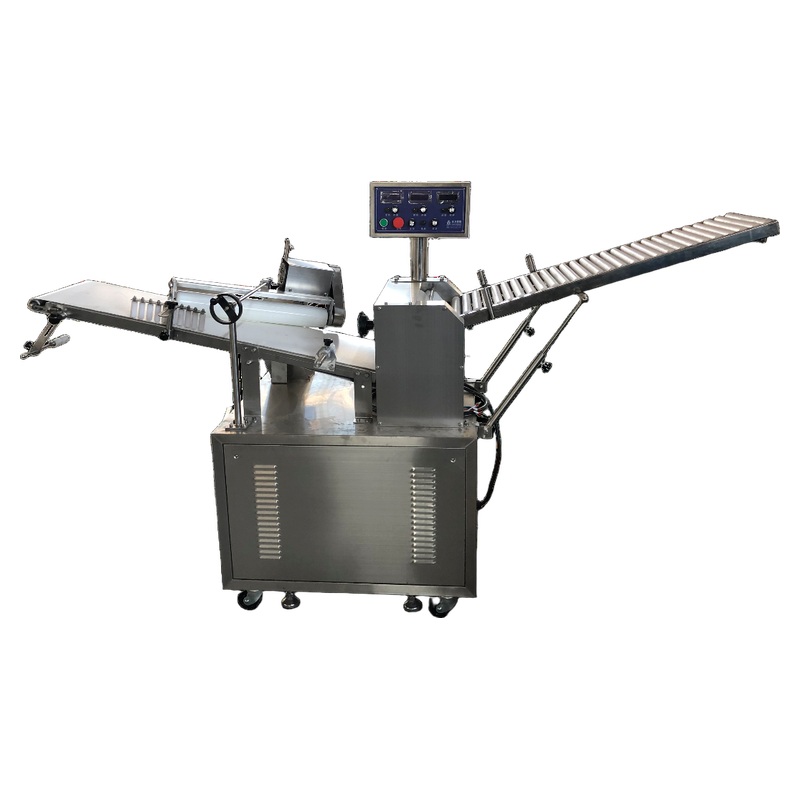
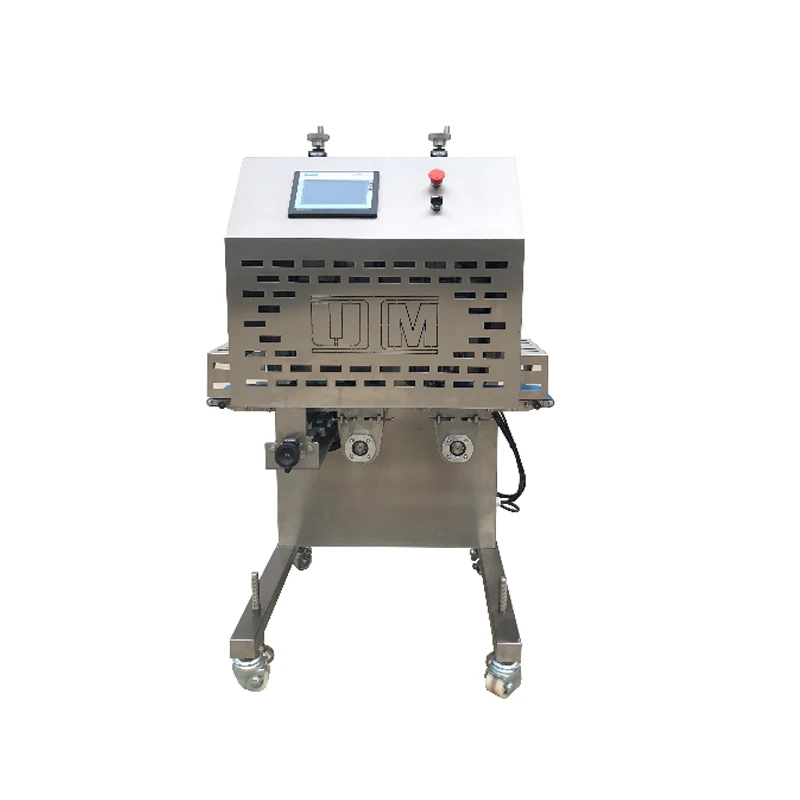
The ZL-9-18 / 12-24 Creases Bun Machine presses the pleat pattern into the top of a bun. A dedicated creasing head forms creases across the centre-top of each piece and leaves the small dent that sits at the centre of the pattern. The machine does not divide dough and does not round it: it takes pieces that are already rounded and rested and adds the crease form to them.
The frame measures 1420×790×950 mm, the drive is 1.5 kW and the machine weighs 330 kg, with food-contact surfaces in SUS304. The crease count is adjustable between 9, 12, 18 and 24, so one machine covers the pattern normally used for a plain bun and the tighter pattern used where the fold has to read clearly on a filled product.
Key Features
Seven points describe how the unit behaves once it is installed in a line.
- Crease count 9, 12, 18 or 24 — the pattern is set by the creasing die, so one machine covers four pleat densities without a second unit.
- Creases with a dent at the centre-top — the head presses the pleats into the top of the piece and leaves the characteristic recess at the centre of the pattern.
- Die-formed, not hand-formed — the pattern comes from the die rather than from operator technique, so every piece in a batch carries the same pleat count and the same depth.
- One operation only — the machine presses the top form; dividing and rounding happen before it, on the equipment upstream.
- Ready for a full automatic line — connecting to an automatic paper feeder, a proofer and a steamer turns the unit into one stage of a continuous production line.
- SUS304 food-contact surfaces — the parts that touch dough are specified in SUS304.
- Compact frame — 1420×790×950 mm and a 1.5 kW drive keep the unit small enough to drop into an existing line without rebuilding it.
Product Specifications
The table lists the figures confirmed for this unit.
| Machine type | Creases bun machine |
| Crease count | 9, 12, 18 or 24, adjustable |
| Overall dimensions | 1420×790×950 mm |
| Power | 1.5 kW |
| Voltage | 380V/220V |
| Weight | 330 kg |
| Material | SUS304 |
| Function | Top crease forming, with a dent at the centre-top |
| Not included | Dividing and rounding of dough |
| Line-up | Automatic paper feeder, proofer and steamer |
The 1420 mm length is the figure to check against the space available between the upstream rounding equipment and the proofer. The 950 mm height matters where the line runs under a ceiling or against a wall. The 330 kg weight sets the handling method at installation, and the 1.5 kW load is what the unit adds to the line’s electrical budget on 380V/220V supply.
Configurations & Options
Configuration is settled by the product and by the pattern the piece has to carry.
- Crease count — 9, 12, 18 or 24, chosen to match the product rather than set by preference.
- Creasing die — the die is what defines the pattern, so the count on the order has to match the die supplied.
- Voltage — 380V or 220V, matched to the supply at the installation point.
- Infeed and outfeed height — set to the rounding equipment upstream and the proofer or steamer downstream.
- Line connection — the unit can be supplied as a standalone stage or as one part of a paper feeder, proofer and steamer line.
Because the pattern is carried by the die, a change of crease count is a change of die rather than a change of setting on the machine. Where a buyer expects to run more than one pattern, the dies should be specified at order so both are matched to the same head.
Industrial Applications
The unit is used where a rounded piece needs a defined top pattern before proofing and steaming.
- Steamed bun production lines, between the rounding stage and the proofer.
- Filled bun lines, where the pleat pattern has to stay legible after steaming.
- Food factories running a continuous line from paper feed through proofing to steaming.
- Bakery and central kitchen lines that finish the piece by hand today and need a repeatable alternative.
In each case the unit sits late in the forming sequence. The piece arrives rounded and rested, takes its top form, and moves on to proofing. Nothing in the crease stage decides the piece weight or the base shape, which is why the upstream equipment still has to be right.
Key Advantages
The main advantage is repeatability. A die-formed crease does not vary with the operator’s hand, so the pleat count and the dent position stay the same from the first piece of a shift to the last, and a batch looks uniform after steaming.
The second is the range of patterns. Four crease counts on one machine mean a buyer can run a plain bun and a tightly pleated product without buying a second unit, provided the dies are specified.
The third is where it fits. Because the unit only presses the top form, it can be inserted between existing rounding equipment and an existing proofer without changing either of them, and connection to an automatic paper feeder, proofer and steamer makes the whole sequence continuous.
- Four crease counts on one machine
- Centre-top dent formed by the die, not by hand
- Consistent pattern across a batch
- SUS304 food-contact surfaces
- Connectable to a paper feeder, proofer and steamer line
How to Choose the Right Configuration
Five questions settle most of the specification before price is discussed.
- How many creases does the product carry? Choose 9, 12, 18 or 24 to match the product, and specify the matching die.
- Is the incoming dough already rounded and rested? The machine does not divide or round, so the upstream equipment has to deliver pieces in that condition.
- Will more than one pattern run? If so, specify the extra dies at order rather than later.
- What does the line look like around the unit? Infeed and outfeed heights have to meet the rounding equipment and the proofer, and the 1420×790×950 mm frame has to fit the gap.
- What supply is available? 380V or 220V has to be fixed before the panel is built.
Where the line is being built rather than extended, give the whole sequence at enquiry: rounding, creasing, paper feed, proofing and steaming. The interface drawings then fix the heights once, instead of being reworked machine by machine.
Why Choose Us
We quote the creases bun machine against your product and your line layout, not against a catalogue page. Send the crease count, the piece size and the position the unit has to take between the rounding equipment and the proofer, and the quotation states the configuration that fits.
The creasing head and the frame are built in-house, so a change of die or of head position is a factory adjustment rather than a third-party request. Dies for the counts supplied are held for machines already in the field.
For export orders the machine is run before packing, and the pattern is checked against the die on the order. OEM and ODM requests are handled at the drawing stage, with voltage and line-integration details confirmed before production starts.
Factory Strength
The machine is assembled and tested in our own plant, with the creasing head, the frame and the electrical panel built in-house rather than bought in as a finished unit. Each unit is run before packing, and the crease count, the dent position and the infeed alignment are checked against the order specification. Units are exported to bakery and food-machine buyers in overseas markets, and the same assembly team handles both standard machines and configured orders.
Because the pattern comes from the die, the build check includes a run with the die that ships with the machine, so the head position is confirmed against the pattern rather than against a drawing alone.
Quality Control
Incoming SUS304 sheet and bought-in components are checked against the drawing before assembly. In-process checks follow the build: frame weld and square, head mounting, die fit, then the electrical panel. Every unit gets a run test before packing, and the record is kept against the serial number.
- Incoming material check on SUS304 sheet and bought-in components
- In-process inspection at frame, creasing head and die mounting
- Pattern check against the crease count on the order
- Run test before packing
- Test record filed against the machine serial number
The pattern check looks at the pleat count across the top, the depth of the creases and the position of the centre dent. A die that sits slightly off centre is corrected before packing, because the error would repeat on every piece in the batch.
Packaging & Delivery
The machine is packed for export in a wooden case sized to the 1420×790×950 mm frame, with the creasing head protected inside and the dies packed separately. Container loading depends on order quantity and is confirmed at quotation. Port and trade terms are agreed per order, and the buyer supplies the delivery address, consignee details and any marking requirements before shipment.
- Export wooden case with internal protection for the creasing head
- Dies packed separately and labelled by crease count
- Container loading confirmed per order quantity
- Port and trade terms agreed at quotation
The packing list records the crease count of each die supplied, so the receiving site can match dies to products before the line is set up.
FAQ
Does this machine divide the dough or round it?
Neither. It only presses the top crease pattern. Dividing and rounding have to be done upstream, and the pieces reaching the machine must already be rounded and rested.
What condition does the incoming dough have to be in?
The piece has to be rounded and rested before it reaches the creasing head. A piece that is still tight from rounding will not take a clean pattern, and one that has not rested will lose the form after proofing.
How is the crease count changed?
The count is carried by the die, so a change from 9 to 12, 18 or 24 means changing the die rather than adjusting a setting. Dies can be specified together at order.
Can the machine run as part of a fully automatic line?
Yes. Connecting it to an automatic paper feeder, a proofer and a steamer makes the sequence continuous, with the unit handling only the crease stage.
What supply and floor space does the machine need?
The drive is 1.5 kW on 380V/220V supply, the frame measures 1420×790×950 mm and the machine weighs 330 kg. The length is the figure to check against the gap between the rounding equipment and the proofer.
Products
Related Products
More UIM Equipment
Explore other production lines and machines from the same category.